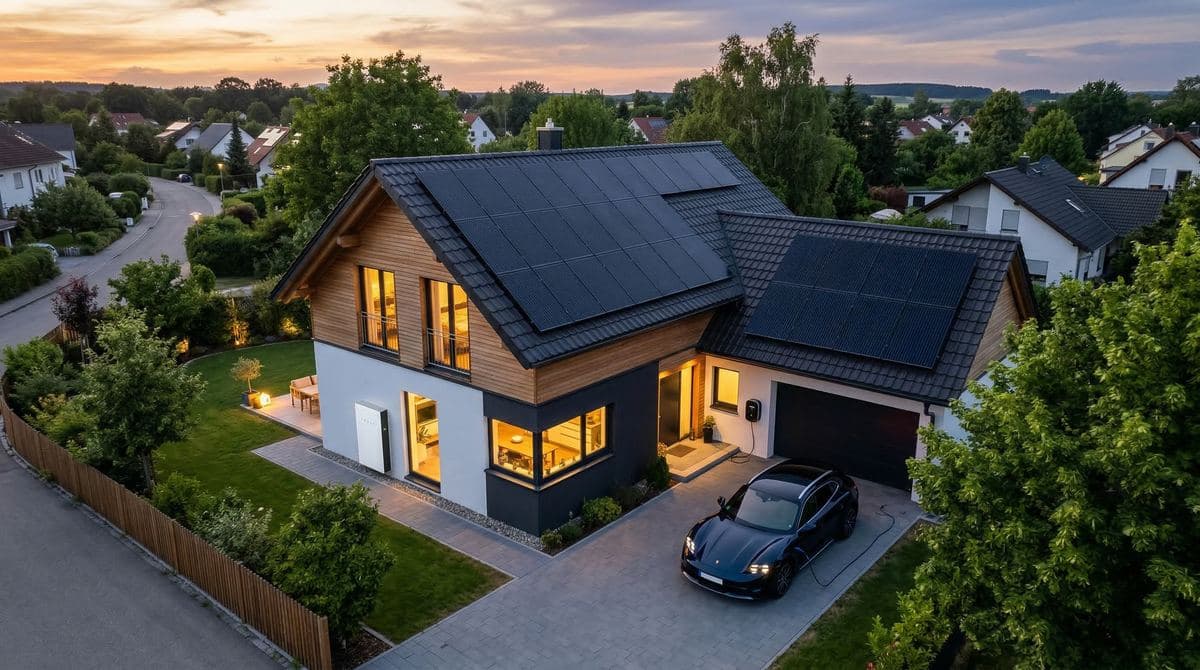
Home battery storage with AI energy management
SparkGrid connects your battery to solar, EV charging, heat pumps, and tariffs in one intelligent home energy system. SparkEdge controls locally; SparkGrid optimizes over time.
A battery alone is not a smart home energy system
Many home batteries still operate like isolated devices. They charge, discharge, and show a basic app view. But modern homes are changing. Solar production, EV charging, heat pumps, time-of-use tariffs, and growing electrification need a system that can coordinate the whole home, not just one battery.
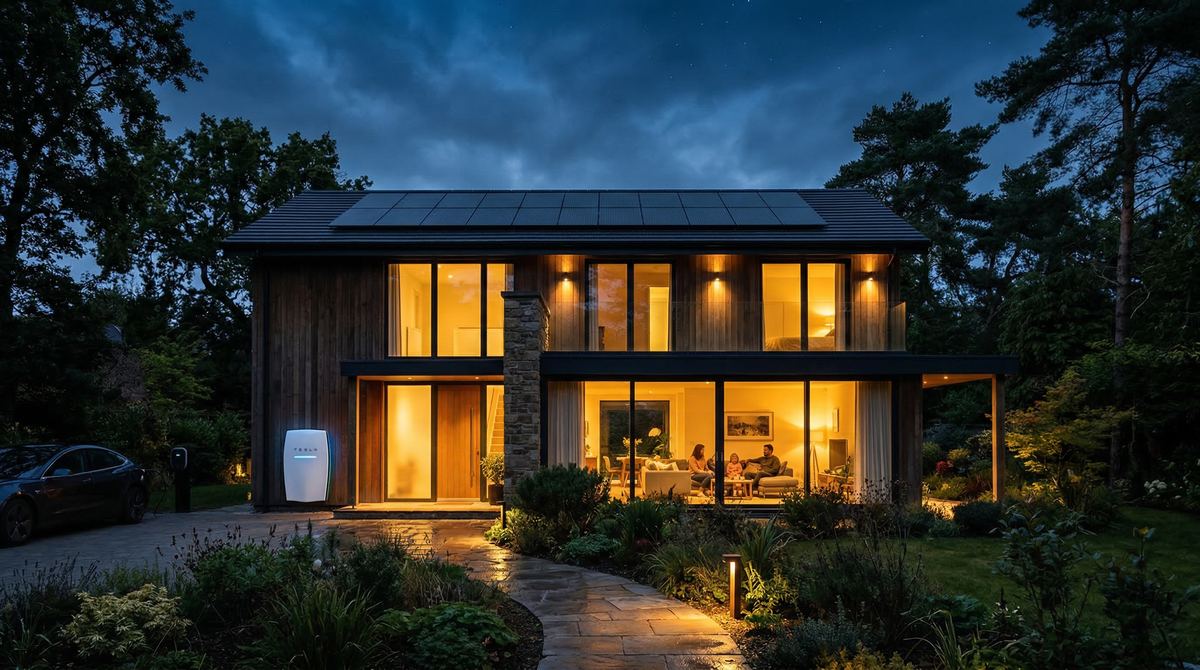
Solar and demand rarely match
Your solar system often produces most when the home is not using the most energy.
Cheap and expensive periods are missed
Without tariff-aware logic, the battery may charge or discharge at the wrong time.
EV charging pulls at the wrong moment
A charger can become a new source of unnecessary grid draw if it is not coordinated.
Heating and cooling are disconnected
Heat pumps and thermal loads are often managed separately from solar and battery logic.
Future upgrades create app sprawl
Adding an EV charger or more devices should not mean replacing the whole control model.
What your battery should be doing automatically
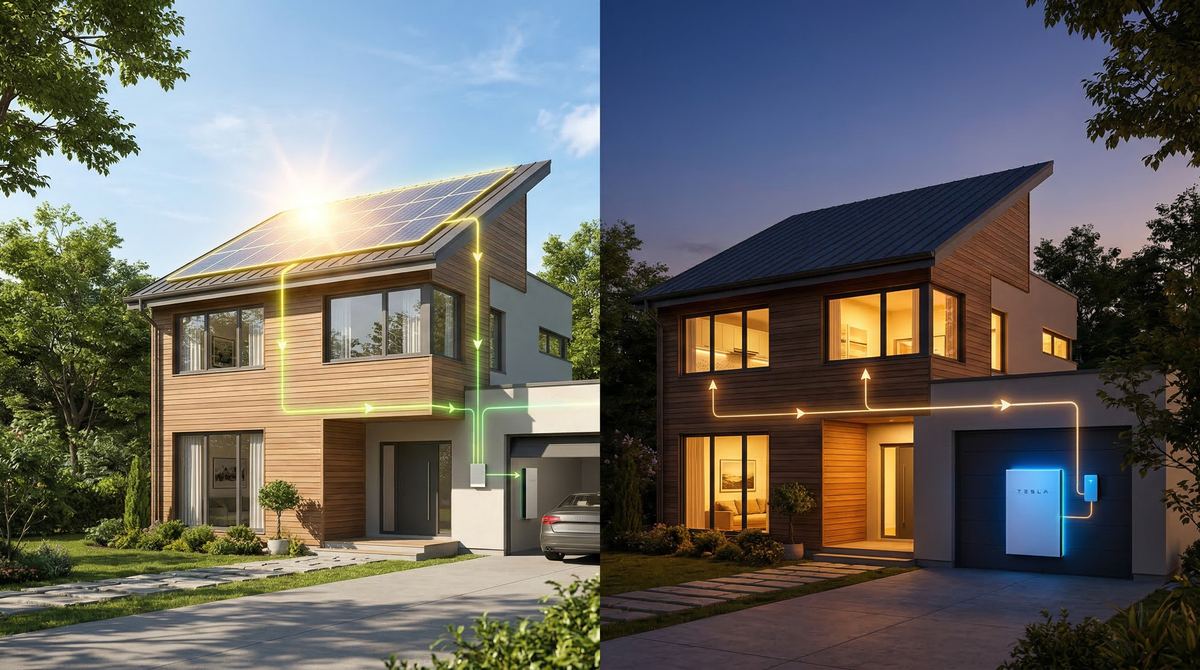
SparkGrid AI makes real decisions for your home — storing solar surplus, shifting consumption to cheaper tariff windows, and coordinating battery, EV, and heat pump schedules.
Solar self-consumption
Store surplus solar instead of exporting it too early or too cheaply.
Tariff optimization
Use cheaper electricity windows more intelligently and reduce costs in expensive periods.
Battery scheduling
Move beyond ad hoc behavior with planned, explainable battery operation.
EV charging coordination
Use the same energy logic across battery and EV charging instead of treating them as separate islands.
Heat pump coordination
Treat heating and cooling as part of the same home energy system.
Export limiting
Absorb excess generation into battery storage instead of wasting value when export limits matter.
A battery becomes more valuable when it is optimized as part of the whole home.
Why choose Spark instead of just another battery app
The difference is not only the battery hardware. The difference is that SparkEdge and SparkGrid turn the battery into part of a broader home energy operating system. That means one logic layer for solar, battery, EV charging, heat pumps, metering, and future devices.
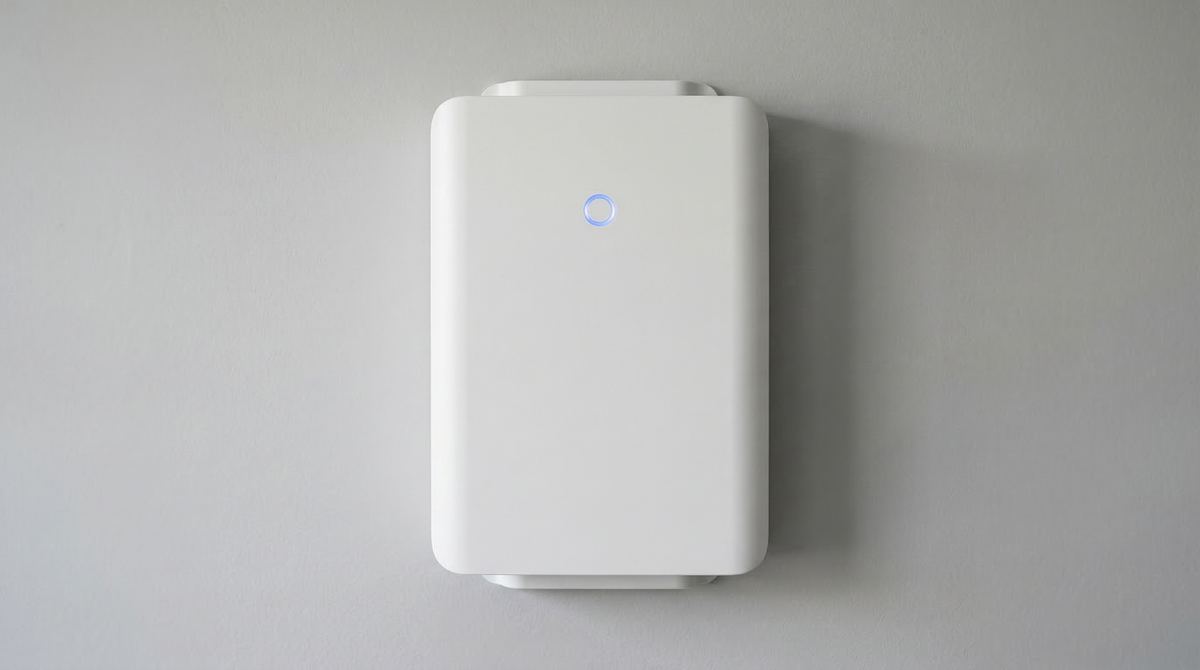
One home energy system
Solar, battery, EV charger, and heat pump can all live inside one connected architecture instead of separate apps.
Local control
SparkEdge keeps key energy decisions close to the home and connected devices with offline-first, deterministic local control.
AI with real purpose
SparkGrid supports AI-powered insights and approval workflows, while SparkEdge handles local execution and rule logic.
Future-ready architecture
Start with solar plus battery. Add EV charging, heat pump coordination, or more advanced optimization later without changing the core control layer.
Install a battery once. Let Spark optimize it every day after.
Forecast. Optimize. Explain. Act locally.
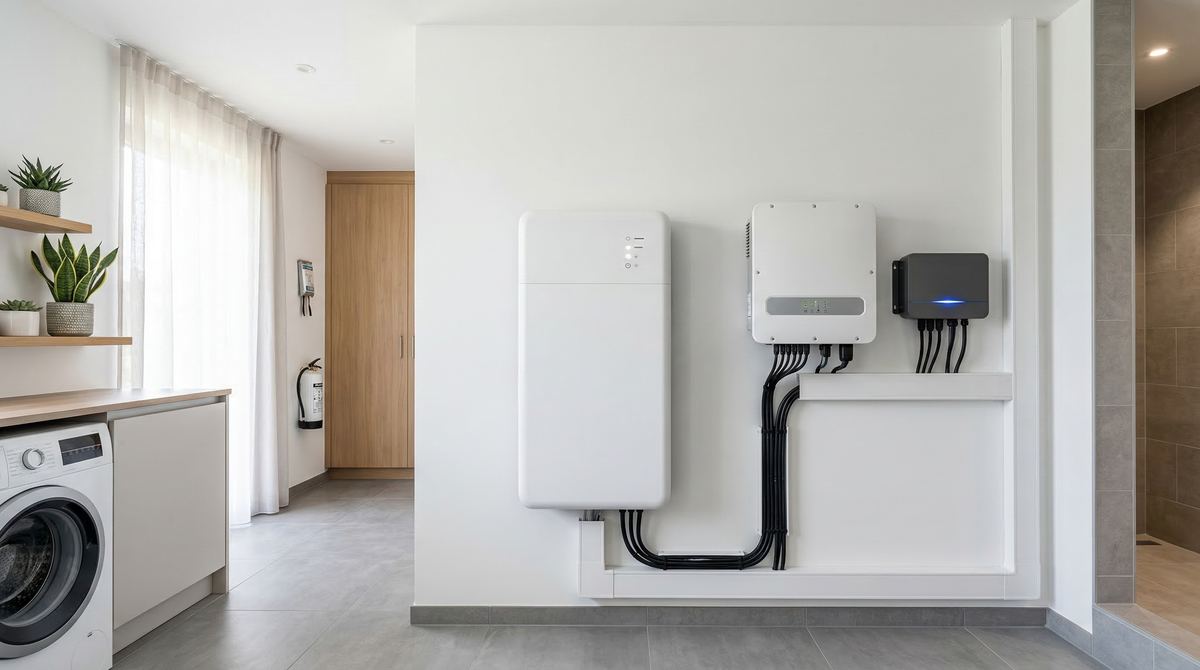
The system looks at home demand, solar behavior, tariffs, and connected devices. It recommends or schedules better battery actions. Then SparkEdge applies those actions locally through the home controller.
Forecast
Analyze home demand, solar production, and tariff context ahead of time.
Optimize
Choose the battery behavior that improves self-consumption and cost outcomes.
Explain
Show what the system is doing and why it matters.
Act locally
Execute through SparkEdge close to the actual devices in the home.
AI without local execution is just advice.
Built for homes that are becoming more electric every year
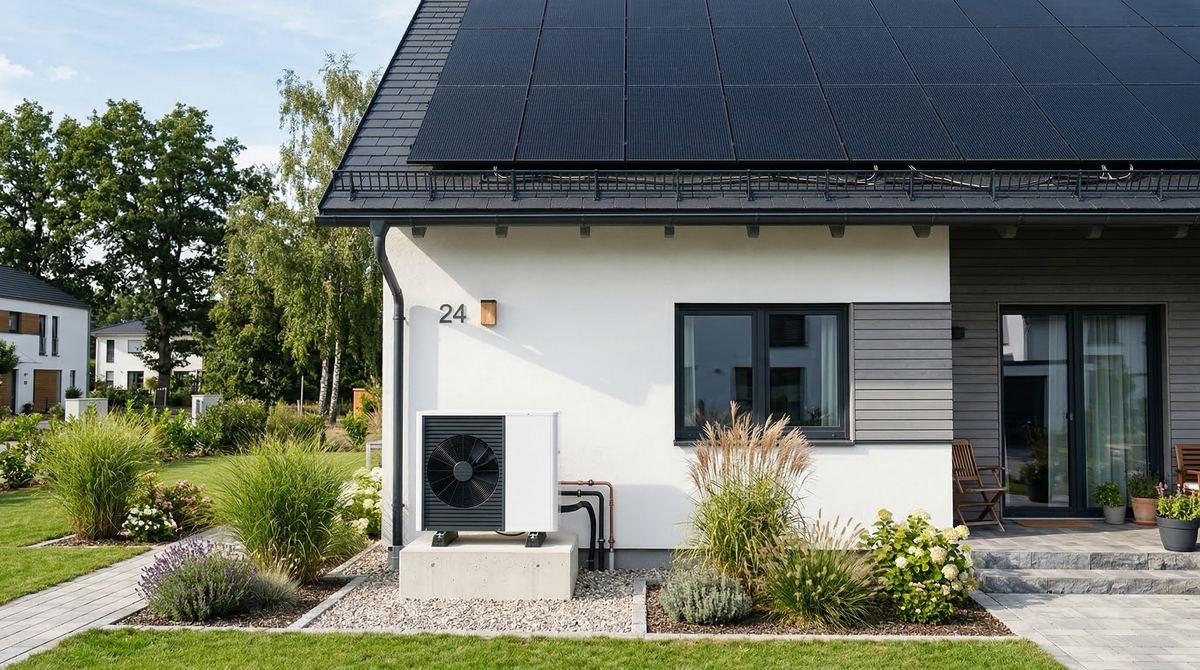
A modern home is no longer just lights and appliances. It now includes solar, battery storage, EV charging, heating, and growing expectations around smarter tariffs and lower grid dependence. Spark is designed for that full picture.
Solar + battery
Store more of your own energy and use it later.
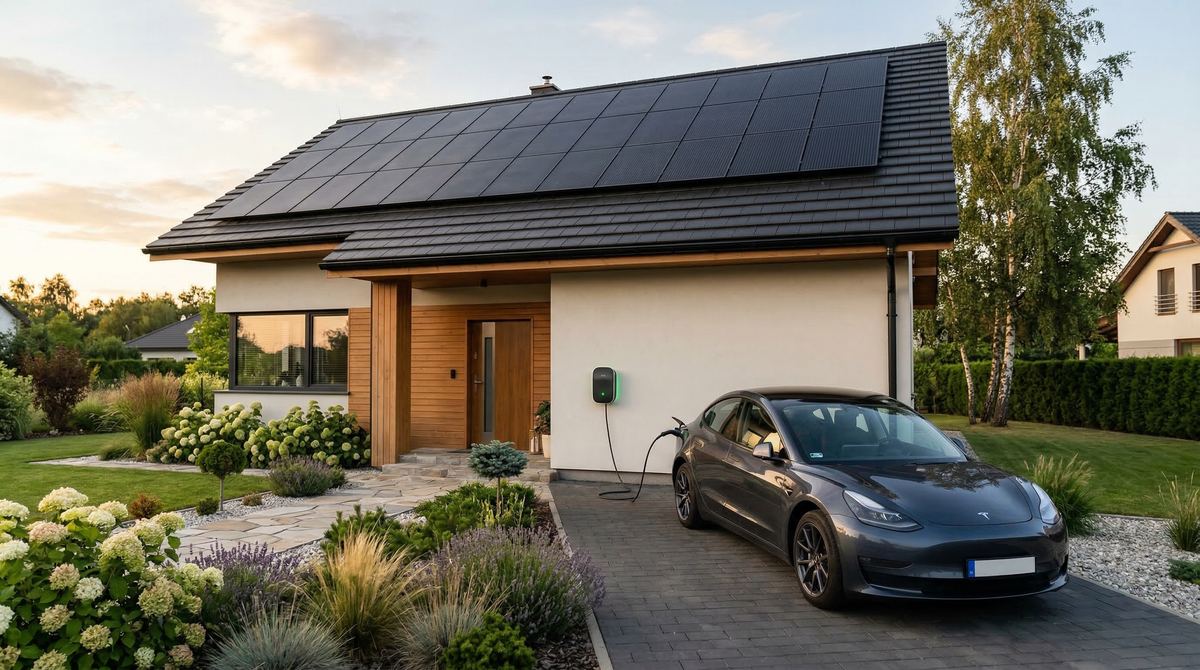
Solar + battery + EV charger
Coordinate charging with solar production and household demand.
Solar + battery + heat pump
Bring heating and cooling into the same energy logic.
Battery-ready, expanding later
Start now and keep the system ready for what comes next.
SparkEdge Nano is positioned for home and small prosumer use, while HX1 extends the same SparkEdge OS to more advanced home installations.
See where your energy goes
A strong home battery system should show more than a battery icon and a percentage. Spark provides a live view of solar, grid, battery, and household load together, with KPIs that make the system understandable and useful.

Live energy flow
See power moving between solar, battery, grid, and loads in real time.
Battery and home KPIs
Track self-consumption, self-sufficiency, battery efficiency, and overall home energy performance.
Device views
Monitor battery systems, inverters, EV chargers, and heat pumps inside one environment.
History and analytics
Use dashboards, time-series views, and historical analysis instead of guessing how the system behaves.
AI suggestions
Let SparkPilot surface useful energy insights with a structured action workflow.
Your home energy logic should not depend on perfect internet
SparkEdge keeps the logic close to the actual home system. It is built as an offline-first controller with deterministic execution for PV, heat pumps, EV charging, and battery systems.
Local-first control
Key energy actions happen where the battery and devices actually are.
Cleaner integration
One controller layer for battery, solar, charger, and heat pump coordination.
Less future friction
As the home changes, the control layer does not need to be replaced.
Buy the battery once. Keep improving what it can do.
Panels and batteries are long-life hardware. The real question is whether the system gets more useful over time or stays stuck in yesterday's logic.
Add devices later
Start with solar and battery, then add EV charging or heating integration.
Keep one operating model
Use SparkEdge locally and SparkGrid above it instead of stitching together new logic for every upgrade.
Stay aligned with future pricing
Tariffs and energy pricing evolve. Your control layer should evolve too.
Move from monitoring to intelligence
Spark is built for homes that want better decisions, not only prettier graphs.
You are not just buying home battery storage. You are building a smarter home energy system.
Frequently Asked Questions
Because Spark is designed to coordinate the whole home energy system, not only one battery. It connects solar, tariffs, EV charging, heat pumps, and local control in one architecture.
Yes. SparkEdge and SparkGrid both support solar inverters, live energy flow, and battery-plus-solar optimization.
Yes. EV chargers are part of the supported device ecosystem, and the platform includes EV charger monitoring and dynamic load balancing.
Yes. Heat pumps are supported connected assets in both the edge and platform layers.
No. SparkEdge Nano is positioned for home and small prosumer orchestration, while the same architecture scales upward without changing the software foundation.
It helps forecast, optimize, and explain better battery and energy decisions, while SparkEdge handles the local execution layer.
Turn your battery into a smarter home energy system
SparkGrid helps homeowners get more from solar, battery storage, EV charging, and future home electrification with one connected AI-managed system.