Manage energy
smarter
The AI energy management platform that connects every device, optimizes in real time, and executes locally.
Reduce energy cost
AI-driven optimization cuts waste and lowers your energy bills automatically.
Increase solar self-consumption
Use more of the energy you generate instead of exporting at low feed-in rates.
Orchestrate batteries & EV charging
Coordinate storage dispatch and vehicle charging with tariffs and site limits.
Automate locally
SparkEdge executes decisions at the site — no cloud roundtrip required.
Connect mixed devices
One data model for every brand, protocol and device type — unified through the DAL.
Not just hardware. AI-ready energy products
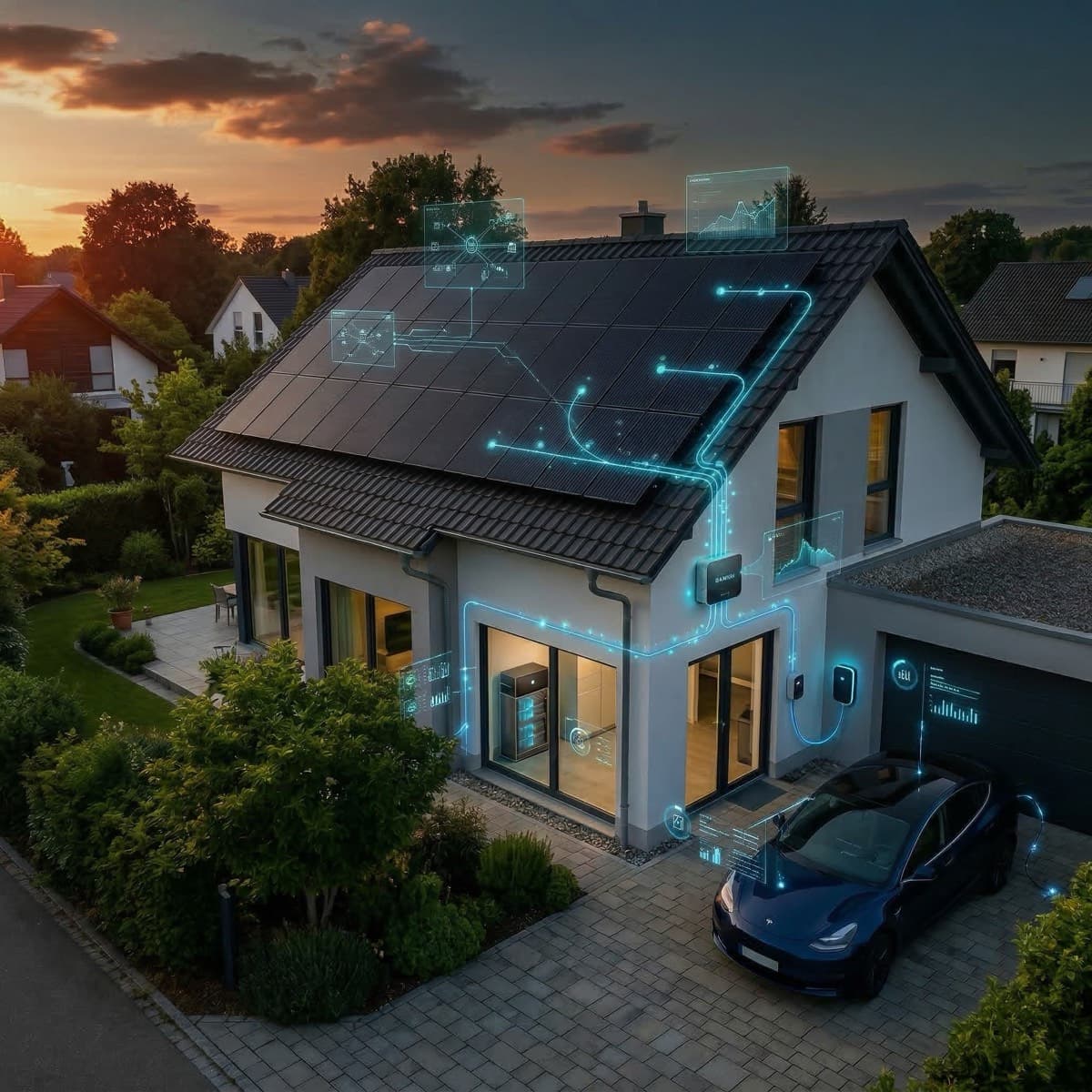
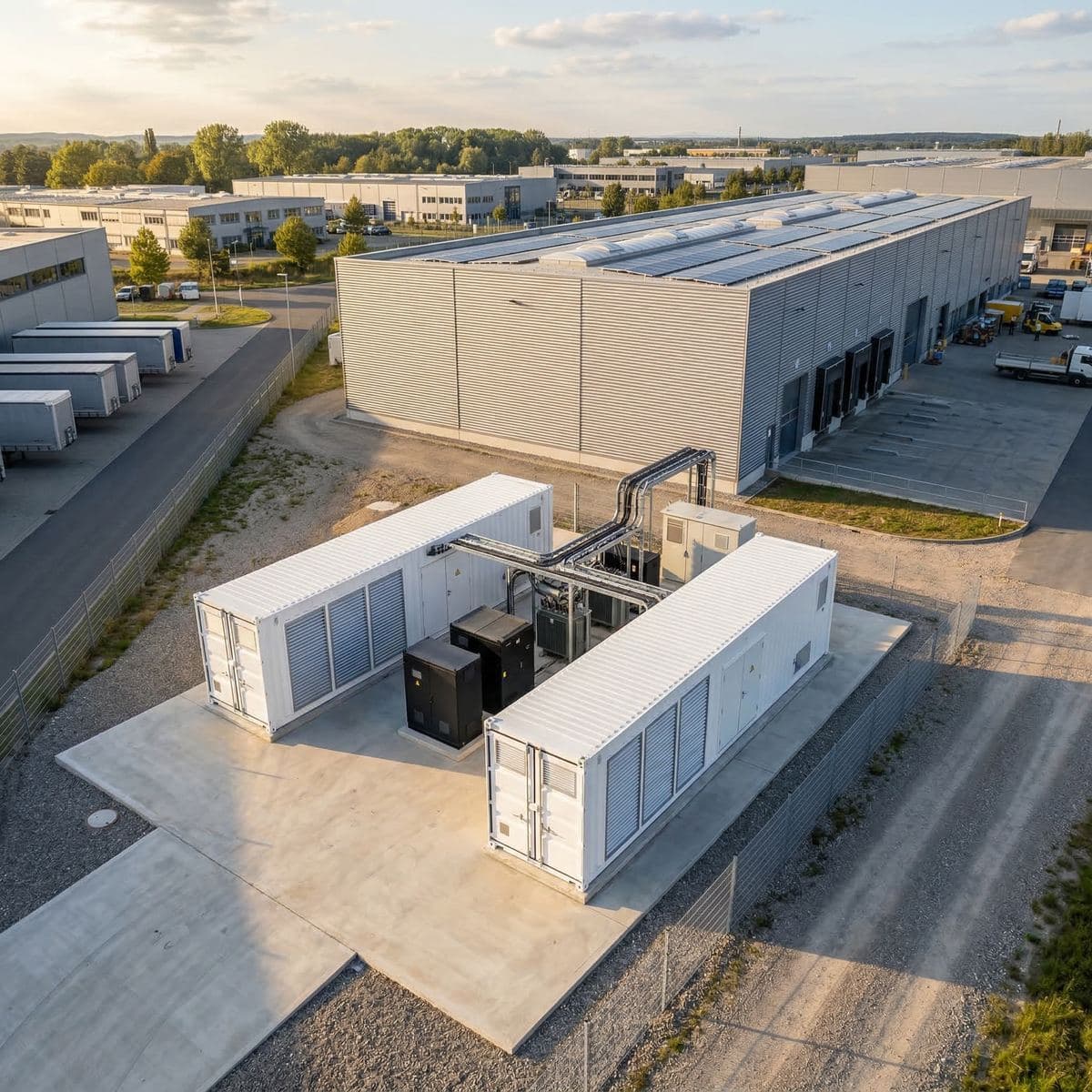
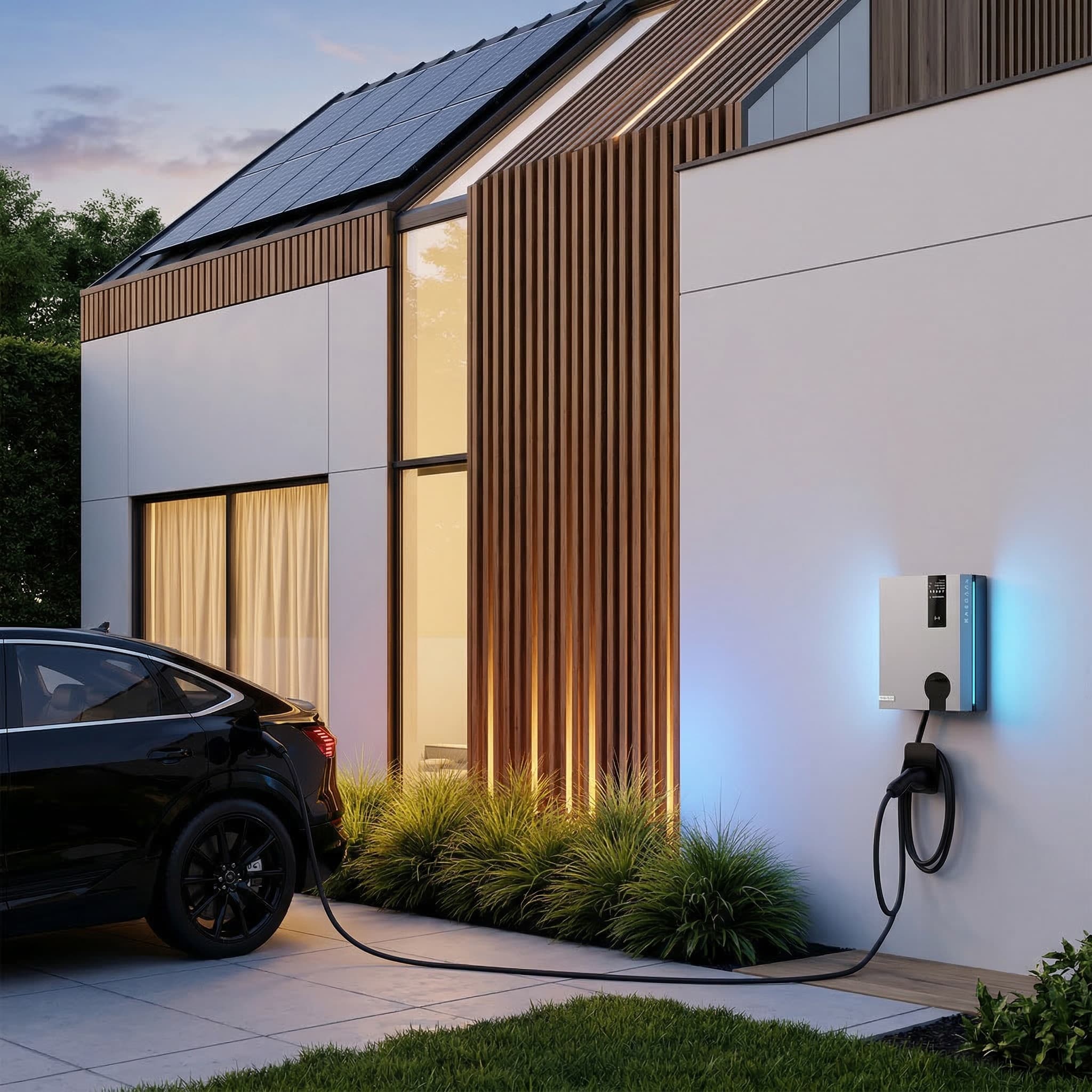
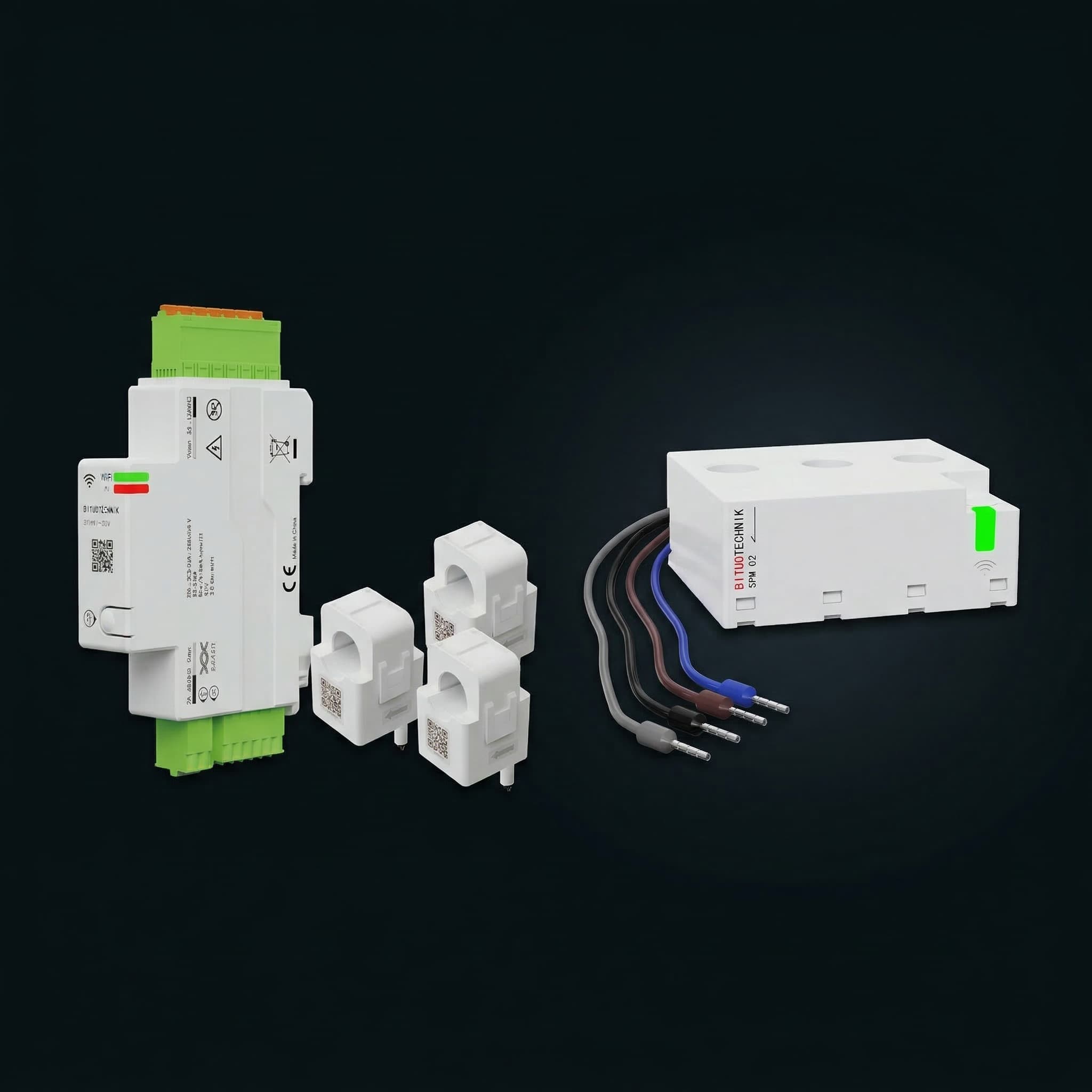
Every product in the Spark ecosystem is designed to work together. Connected to SparkEdge locally and managed by SparkGrid AI, they deliver more value than standalone devices.

Why current energy systems fail
Distributed energy is growing faster than the tools designed to manage it. The result: wasted generation, missed savings, and fragile automation.
Too many devices
Sites run solar inverters, batteries, EV chargers, heat pumps and meters from different vendors — none designed to talk to each other.
Vendor silos
Each manufacturer offers its own app and cloud portal. Data stays locked in proprietary dashboards that cannot cross-optimize.
Cloud-only control is fragile
When the internet drops, cloud-dependent systems lose the ability to react. Critical decisions cannot wait for a roundtrip to the cloud.
Different protocols & datasheets
Modbus RTU, Modbus TCP, MQTT, OCPP, BACnet — every device speaks a different language with different register maps.
No unified optimization layer
Without a common data model and AI engine, there is no way to coordinate assets across an entire site for maximum efficiency.
From raw device data to intelligent automation
Four layers that turn fragmented energy infrastructure into a coordinated, AI-optimized system.
Connect
Devices & Protocols
SparkEdge connects to every energy device on site — solar inverters, batteries, EV chargers, heat pumps, meters — through Modbus, MQTT, OCPP, BACnet and more.
Normalize
Device Abstraction Layer
The DAL translates every device-specific register map and protocol into a universal JSON data model. One language for all assets, regardless of manufacturer.
Optimize
AI & Rules Engine
SparkGrid predicts load, forecasts solar generation, evaluates tariffs, and calculates the optimal dispatch for every asset — in real time.
Execute
SparkEdge Local Control
SparkEdge runs optimization locally — sub-second response, offline-capable, no cloud dependency. The AI brain gives orders; SparkEdge makes them happen.
Why SparkEdge is required for real-world AI energy automation
Cloud intelligence is powerful but insufficient. Real energy systems need a local controller that connects to field devices, translates protocols, stores data, and executes decisions — even when the internet is unavailable.
Available as SparkEdge AX for industrial sites and SparkEdge EX for residential installations.
Field device connection
Connects to inverters, batteries, meters, EV chargers and HVAC controllers through RS485, Ethernet, and wireless protocols.
Data translation & abstraction
The Device Abstraction Layer normalizes every register map into a standard JSON model — eliminating vendor lock-in at the data level.
Local data storage
Stores time-series data, configuration and event logs on-device. Nothing is lost if connectivity drops.
Local EMS execution
Runs optimization rules and AI decisions locally with sub-second latency. No cloud roundtrip for critical energy actions.
Offline resilience
SparkEdge continues operating autonomously when internet or cloud connectivity is limited or unavailable.
Cloud & on-prem bridge
Securely bridges your site infrastructure to SparkGrid — whether deployed in the cloud, on-premises, or hybrid.
What “AI” actually means in operations
Not a buzzword. SparkGrid AI makes concrete decisions every interval — predicting, scheduling, and dispatching energy assets to minimize cost and maximize efficiency.
Predict load
Forecast site consumption patterns using historical data, weather, and occupancy signals.
Forecast solar generation
Irradiance-based models predict PV output hours ahead for optimal dispatch planning.
Optimize charge/discharge
Decide when to charge and discharge batteries based on tariffs, demand, and generation.
Shift flexible loads
Move deferrable loads to low-cost or high-solar periods automatically.
Reduce peak demand
Cap site power draw during peak windows to lower demand charges and avoid penalties.
Coordinate EV charging
Balance charging across vehicles using tariffs, solar availability, and site power limits.
Automate building loads
Modulate HVAC, lighting, and thermal storage in response to real-time conditions.
One platform for every energy device
SparkGrid connects to the full spectrum of distributed energy resources. Every device becomes an optimizable asset inside the ecosystem.
Batteries / BESS
Lithium-ion, lead-acid, and flow batteries — optimized for self-consumption, peak shaving, and arbitrage.
Solar Inverters
String and micro-inverters from all major brands — tracked, optimized and coordinated with storage.
EV Chargers
AC and DC chargers with OCPP — managed for load balancing, solar-aware and tariff-optimized charging.
Heat Pumps
Air-source and ground-source heat pumps — scheduled and modulated based on tariffs, weather, and thermal demand.
HVAC Systems
Commercial HVAC with BACnet and Modbus — controlled for comfort and efficiency within building automation.
Water Meters
Smart water metering for consumption tracking, leak detection, and holistic building resource management.
SCADA / BMS
Building management and SCADA systems bridged into SparkGrid for unified site-level optimization.
Cloud, on-prem, or hybrid
Deploy where your data and operations require it. SparkEdge always runs locally — the orchestration layer goes wherever you need it.
Cloud
Managed SaaS deployment with zero infrastructure overhead. Automatic updates, global access, and elastic scaling.
On-premises
Full data sovereignty. Run SparkGrid on your own servers behind your firewall with complete control over data residency.
Hybrid
Best of both. SparkEdge runs locally at every site; choose cloud or on-prem for the orchestration layer per site or region.
Typical reduction in energy cost for commercial sites
Solar self-consumption rate with battery optimization
On-site control loops — no cloud round-trip
Autonomous operation — even offline
Supported Standards & Protocols
Ready to manage energy smarter?
Connect solar, batteries, EV chargers, HVAC and other energy assets into one AI-managed system. SparkEdge executes control locally so optimization works in the real world.
No commitment required. Talk to our team and see SparkGrid in action.