
Commercial battery storage with local AI dispatch
SparkGrid turns battery storage into an active operating asset — reducing peak charges, responding to tariffs, absorbing solar surplus, and supporting EV charging. SparkEdge executes locally; SparkGrid adds forecasting, scheduling, and fleet-wide optimization.
From building-scale to utility-class deployments
Every project starts with the same architecture. SparkEdge runs locally at each site; SparkGrid connects them all. As systems grow, the intelligence layer grows with them.
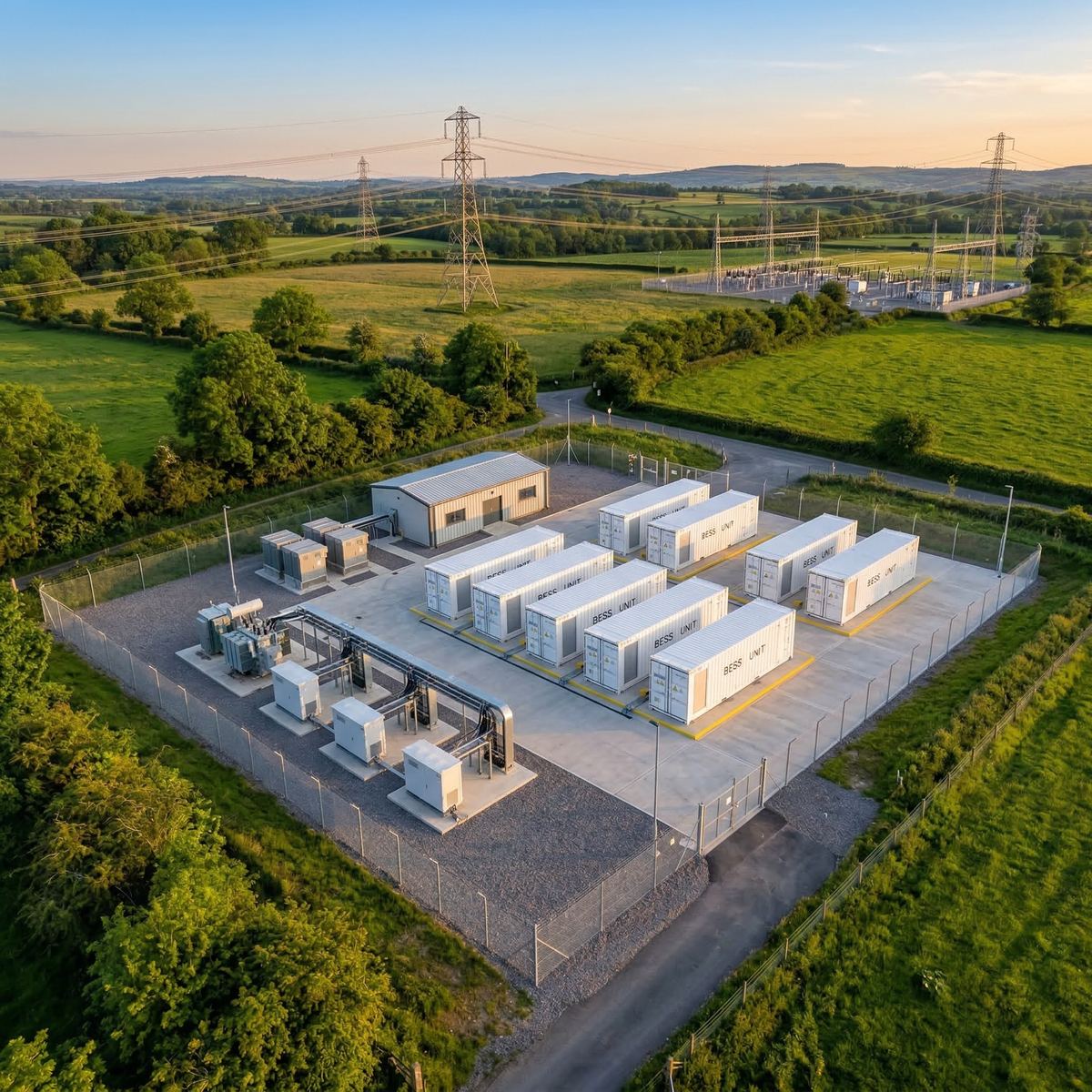
1–2 MWh
Single-cabinet systems for offices, retail, and small industrial sites. Peak shaving, solar self-consumption, and backup in one footprint.
2–6 MWh
Multi-cabinet or container-based systems for manufacturing, logistics hubs, and campus environments. Tariff optimization, demand charge management, and EV charging support.
10+ MWh
Multi-container deployments for large industrial, grid-edge, or community energy projects. Full dispatch scheduling, market participation readiness, and multi-asset coordination.
Fleet
Centralized visibility and control across all BESS sites. Unified dashboards, cross-site optimization, remote firmware and configuration management.
Why most commercial BESS projects underdeliver
Battery hardware has improved dramatically. But without intelligent dispatch, most systems run on static schedules and miss the value they were designed to capture.
Static time-of-use schedules
Most systems charge at night and discharge during the day on a fixed timer. They ignore weather, load changes, tariff shifts, and real-time grid signals.
No local fallback
Cloud-only dispatch means the battery stops responding intelligently when the internet drops. Critical sites cannot afford that gap.
Peak shaving without forecasting
Reacting to peaks after they happen wastes capacity. Without load and solar forecasting, the battery cannot pre-position for demand spikes.
Siloed from other site assets
The battery doesn't coordinate with solar inverters, EV chargers, or building loads. Each asset optimizes alone, often working against the others.
No fleet-level visibility
Operators managing multiple BESS sites use separate portals for each. No unified view, no cross-site optimization, no centralized alerting.
What makes SparkGrid BESS different
SparkGrid is not a battery brand. It is an intelligence and operations layer that sits on top of any commercial BESS hardware and makes it perform better.
Local-first dispatch
SparkEdge runs dispatch logic at the site. If the cloud goes offline, the battery keeps operating on its last approved schedule and local constraints. No gap, no guesswork.
AI-optimized scheduling
SparkGrid forecasts load, solar production, and tariff windows, then computes the optimal charge/discharge schedule for each interval. Updated continuously, not once a day.
Multi-asset coordination
The battery doesn't operate in isolation. SparkGrid coordinates dispatch with solar inverters, EV chargers, building loads, and export limits as one system.
Open integration layer
Modbus TCP/RTU, MQTT, OCPP, REST APIs, and CAN bus. SparkEdge connects to any commercial BESS hardware — no vendor lock-in, no proprietary gateways.
Fleet operations built in
From day one, every site is fleet-ready. Centralized dashboards, remote configuration, firmware updates, cross-site analytics, and unified alerting — all through SparkGrid.
Best fit: C&I sites with 1 MWh+ storage, solar+storage hybrid projects, multi-site operators, and energy service companies managing distributed BESS fleets.
How SparkGrid dispatches your battery
Every dispatch cycle follows the same four-step loop — forecast, optimize, approve, execute. The loop runs continuously, adapting to real-time conditions at the site.
Forecast
SparkGrid ingests load history, solar irradiance forecasts, weather data, and tariff schedules to build a rolling 24–48h energy profile for the site.
Optimize
The AI engine evaluates thousands of charge/discharge scenarios against the site's objectives: minimize peak demand, maximize self-consumption, reduce energy cost, or a weighted combination.
Approve
The optimized schedule passes through a constraint engine that enforces safety limits, warranty boundaries, grid export caps, and operator-defined rules before any command is sent.
Execute
SparkEdge receives the approved schedule and executes it locally in real time. If conditions change mid-interval — a cloud passes, a load spikes — SparkEdge adjusts within its approved envelope.
Every command is logged, traceable, and auditable.
The dispatch loop runs every 5–15 minutes depending on site configuration. Between cycles, SparkEdge maintains local control and responds to real-time events within the boundaries of the last approved schedule.
AI dispatch with hard safety boundaries
AI optimization is only as trustworthy as its constraints. SparkGrid enforces a strict set of safety and operational limits that no dispatch command can override.
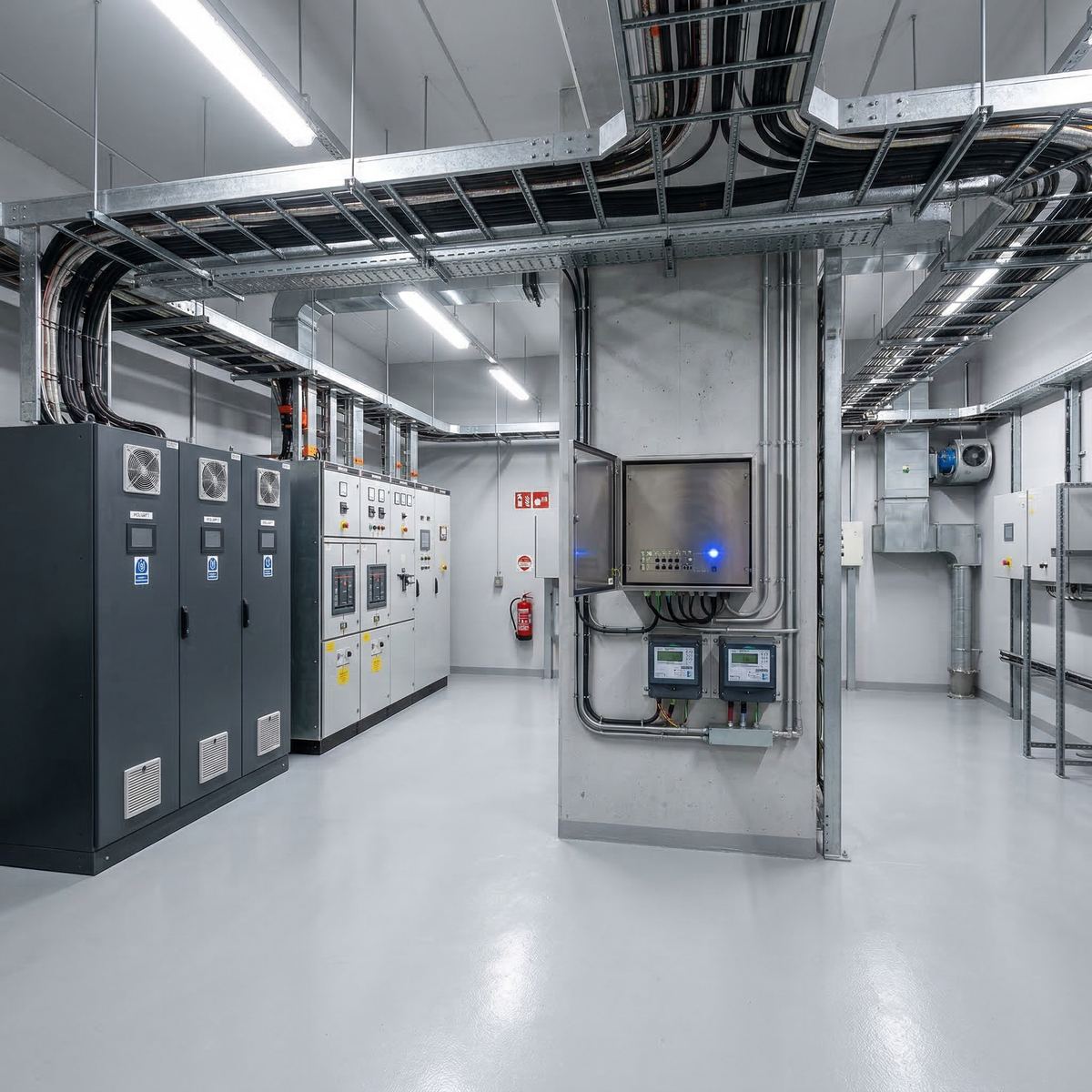
13 constraints. Always enforced.
Constraints are defined per site, per battery, and per operating mode. They can be updated remotely through SparkGrid but are enforced locally by SparkEdge — even when the cloud is unreachable.
One battery. Six ways to earn.
SparkGrid supports multiple optimization strategies that can run individually or in combination, weighted by operator priorities and site conditions.

Peak shaving
Reduce demand peaks by discharging the battery during high-load intervals. Lowers demand charges and protects contracted power limits.
Tariff arbitrage
Charge during low-tariff windows and discharge during high-tariff periods. SparkGrid tracks ENTSO-E day-ahead prices, ToU schedules, and dynamic tariffs.
Solar self-consumption
Store excess solar production instead of exporting at low feed-in rates. Discharge in the evening when consumption rises and solar drops.
Export limiting
Absorb solar surplus that would exceed grid export limits. Avoid curtailment and capture energy that would otherwise be wasted.
EV charging support
Buffer energy for EV charging stations to avoid demand spikes. Coordinate battery dispatch with OCPP charger schedules and vehicle arrival forecasts.
Backup and resilience
Reserve a configurable portion of battery capacity for critical loads during grid outages. Seamless transition with SparkEdge local control.
Connects to any commercial BESS hardware
SparkEdge uses a universal device abstraction layer (DAL) to communicate with any battery system. No proprietary gateways. No vendor lock-in.
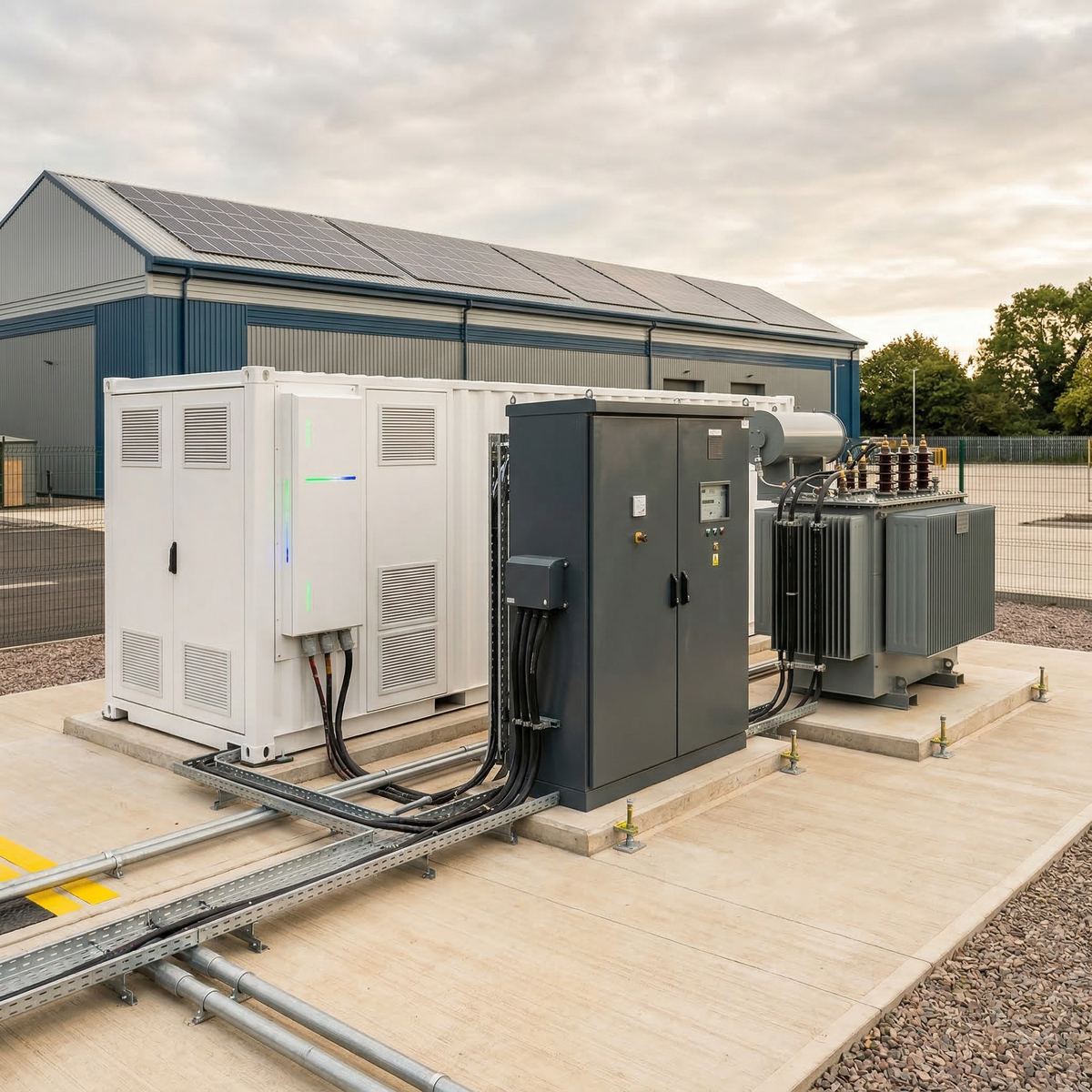
Modbus TCP / RTU
Direct register-level communication with BMS controllers, inverters, and meters. Custom register maps supported per manufacturer.
CAN bus
Native CAN bus integration for battery modules that expose cell-level telemetry and control through CAN protocols.
MQTT
Lightweight publish/subscribe messaging for systems that expose status and accept commands through MQTT brokers.
REST API
HTTP-based integration for cloud-managed BESS platforms that provide dispatch APIs. SparkGrid can act as both consumer and provider.
OCPP
Open Charge Point Protocol integration for coordinated battery + EV charger dispatch. Manage charging sessions alongside battery schedules.
Manage every BESS site from one platform
SparkGrid is built for operators managing multiple BESS installations. Every site connects to the same platform with the same data model, the same dashboards, and the same control interface.
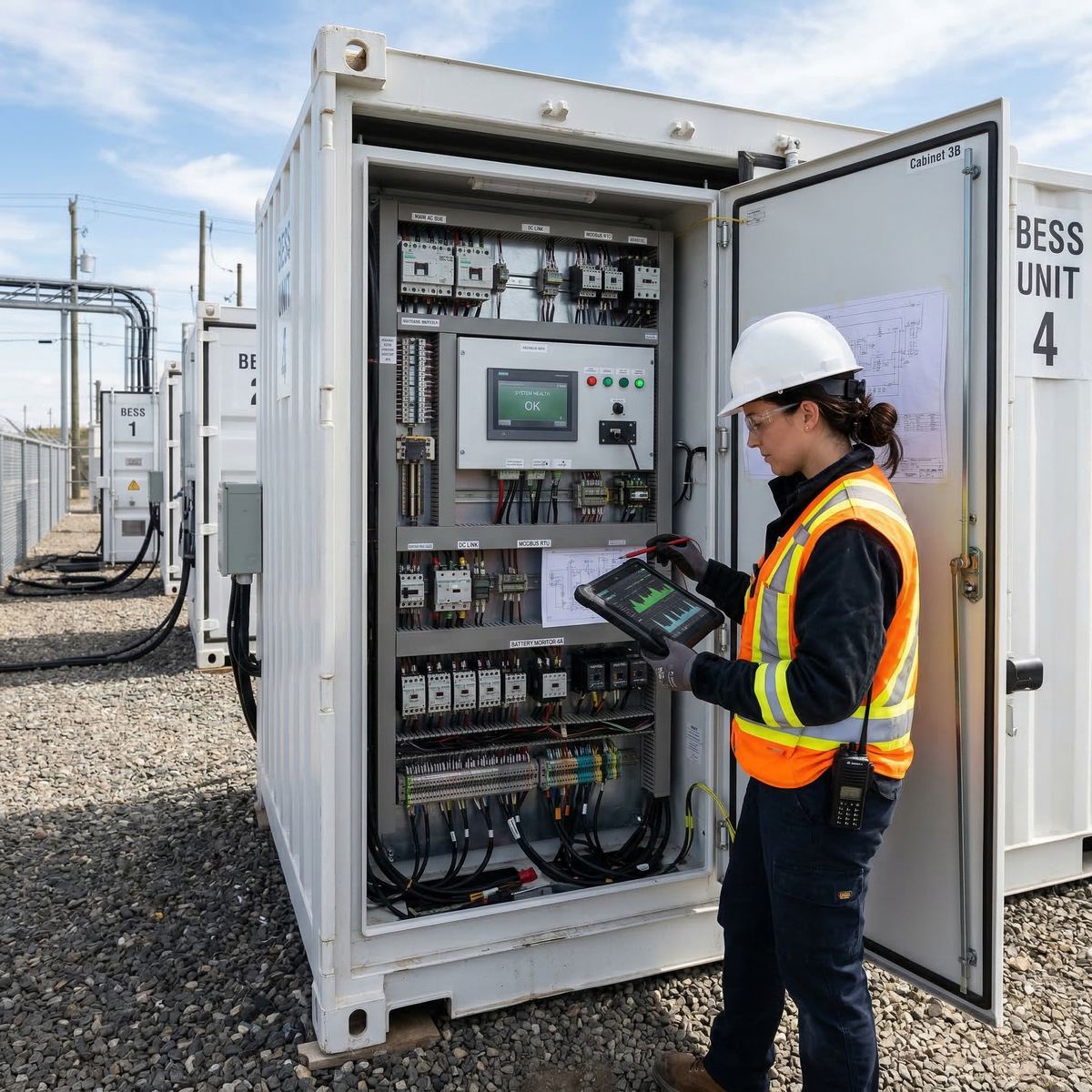
Unified dashboard
Real-time state of charge, power flow, revenue, and alerts across all BESS sites in one view. Filter by region, capacity, or status.
Remote configuration
Update dispatch schedules, constraint parameters, and optimization weights for any site without sending a technician.
Firmware management
Push SparkEdge firmware updates across the fleet. Staged rollouts, automatic rollback, and version tracking per site.
Cross-site analytics
Compare performance, efficiency, and revenue metrics across sites. Identify underperformers and optimize fleet-wide strategy.
Centralized alerting
One alerting pipeline for all sites. Configurable thresholds, escalation rules, and integration with existing NOC tools.
Role-based access
Granular permissions per site, per team, per function. Operators, engineers, and finance teams see what they need.
Built for these site types
SparkGrid BESS solutions are designed for commercial and industrial environments where energy costs, grid constraints, or operational requirements justify intelligent battery dispatch.
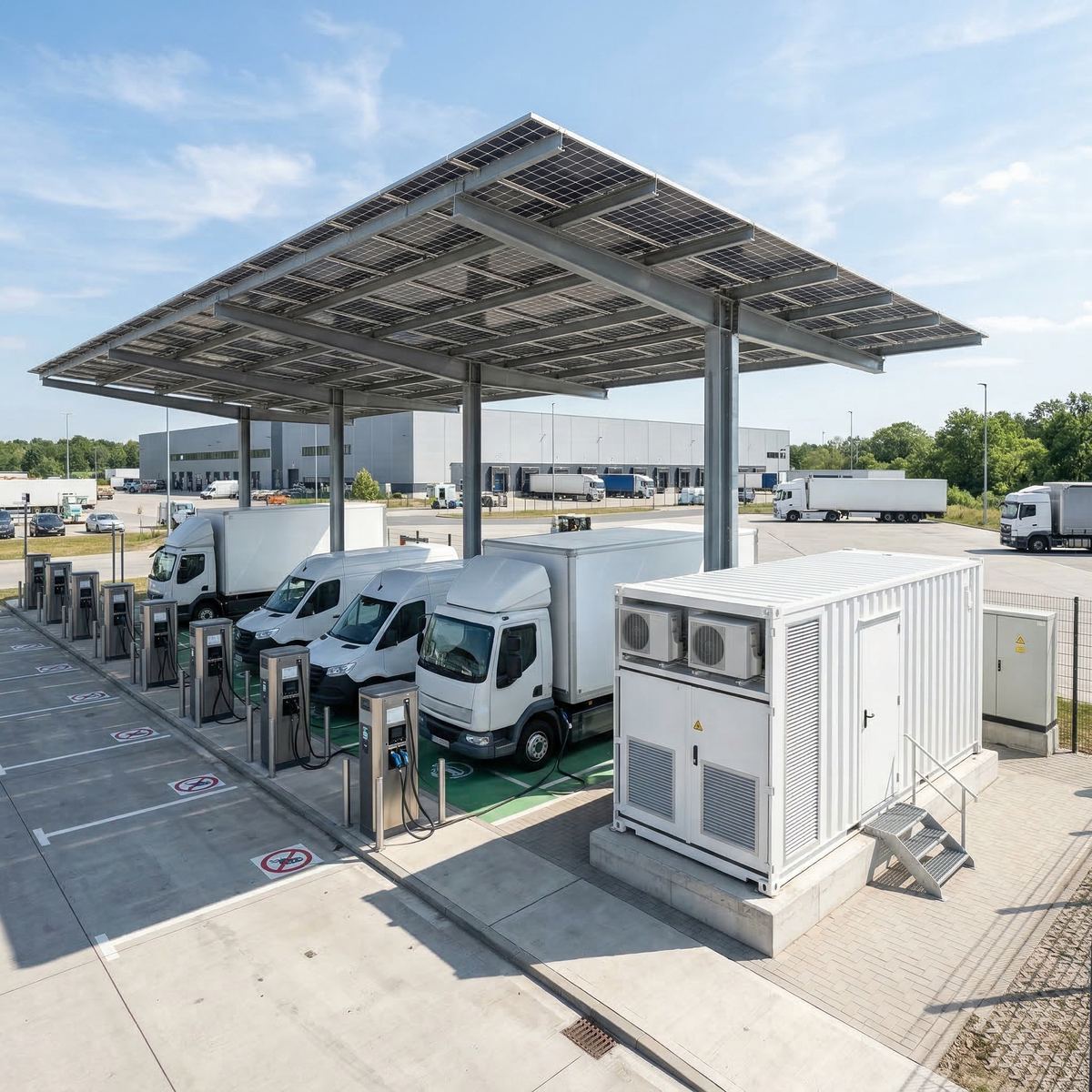

Manufacturing & logistics
High-load facilities with demand charge exposure. Peak shaving and load shifting reduce electricity costs without disrupting production schedules.
Commercial buildings & campuses
Office complexes, retail centers, and mixed-use developments. Solar self-consumption, tariff optimization, and EV charging support in one system.
EV charging hubs
High-power charging stations with grid connection constraints. Battery buffering prevents demand spikes and enables fast charging without costly grid upgrades.
Renewable hybrid sites
Solar + storage projects where export limiting, ramp rate control, and grid compliance require coordinated dispatch between generation and storage.
Multi-site portfolios
Energy service companies and asset operators managing distributed BESS across multiple locations. Fleet-level optimization, reporting, and remote operations.
A platform that grows with your site
Battery hardware is a long-term investment. SparkGrid ensures the intelligence layer keeps pace with evolving markets, regulations, and site requirements.
- Market participation readiness — frequency response, demand response, and ancillary services when regulations allow
- Vehicle-to-grid (V2G) coordination as EV fleets and bidirectional chargers become available
- Dynamic tariff optimization as more markets move to real-time pricing
- Multi-commodity optimization — electricity, heat, and gas managed as one energy system
- Digital twin modeling for scenario planning, sizing, and investment analysis
Install the hardware today. The software keeps getting smarter.
Frequently Asked Questions
No. It is for 1 MWh+ commercial and industrial battery projects, from building-scale C&I systems to multi-container sites.
Because Spark is built to coordinate the whole site, not just show one battery. It links BESS with solar, tariffs, EV charging, meters, SCADA, remote operations, and future expansion.
Because import/export limits, demand peaks, safety constraints, and charger coordination need fast, reliable on-site execution. SparkEdge is built specifically for that.
Yes. The platform covers multi-site fleet visibility, controller management, scheduling, reporting, remote access, and OTA operations.
Yes. That is one of the core reasons to choose Spark. The architecture is designed for mixed energy assets, not only battery systems.
Design a BESS that grows with your site
SparkGrid helps businesses deploy battery systems that are ready for peak shaving, tariff optimization, solar coordination, EV charging, reporting, remote operations, and future AI-led control.